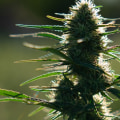
Retailers selling hemp flower operate in a market that may appear simple to customers but is legally complex behind the scenes. Hemp flower can closely resemble marijuana in appearance, smell, and packaging, which creates unique challenges for businesses that stock, market, transport, or sell it. Although hemp is generally distinguished by its legal THC concentration, retailers must understand that compliance depends on more than simply purchasing products from a supplier. Laws may address testing, labeling, packaging, age restrictions, licensing, certificates of analysis, transportation documents, advertising claims, and local sales limitations. A product that qualifies as legal hemp in one jurisdiction may still create problems if state or municipal rules impose stricter requirements. For retailers, misunderstanding these rules can lead to product seizures, fines, license issues, customer disputes, or reputational harm.
Product Verification Matters
One of the most important responsibilities for retailers is verifying that hemp flower meets applicable legal standards before it reaches store shelves. This often means reviewing certificates of analysis, confirming THC levels, checking batch numbers, and ensuring that products come from reputable suppliers. Retailers should also understand whether their state regulates total THC, delta-9 THC, smokable hemp, infused flower, or packaging formats differently. Because hemp flower is easily mistaken for cannabis with higher THC content, proper documentation can become essential during inspections, shipments, or law enforcement encounters. Clear records help demonstrate that the retailer made reasonable efforts to sell compliant products rather than relying on assumptions or informal supplier claims.
Marketing and Sales Rules Can Create Risk
Retailers should also be cautious about how hemp flower is advertised and sold. Health claims, therapeutic promises, misleading potency statements, or unclear product descriptions may invite regulatory scrutiny. Some jurisdictions restrict smokable hemp products or require specific warnings, age verification, child-resistant packaging, or point-of-sale disclosures. Legal professionals, including firms such as Jordan Law Accident & Injury Lawyers, understand how documentation, compliance, and liability concerns can affect businesses when regulations are highly specific. For hemp flower retailers, those same principles apply because small mistakes in labeling, marketing, or product verification can create larger legal problems if regulators determine that the business failed to follow required procedures.
Compliance Supports Long-Term Retail Success
Understanding the legal framework surrounding hemp flower helps retailers build more stable and trustworthy operations. Businesses should regularly review state and local laws, update vendor agreements, train employees, maintain product records, and remove items that no longer meet current requirements. Staff should know how to answer customer questions without making unsupported medical claims or misrepresenting the product’s legal status. Retailers should also prepare for changes in hemp regulation, as lawmakers continue to evaluate intoxicating cannabinoids, smokable products, and consumer safety standards. By treating legal compliance as part of daily retail management, businesses can reduce risk while earning customer confidence. Hemp flower may be a valuable product category, but successful retailers understand that its legality depends on careful sourcing, accurate documentation, responsible marketing, and ongoing attention to changing rules.