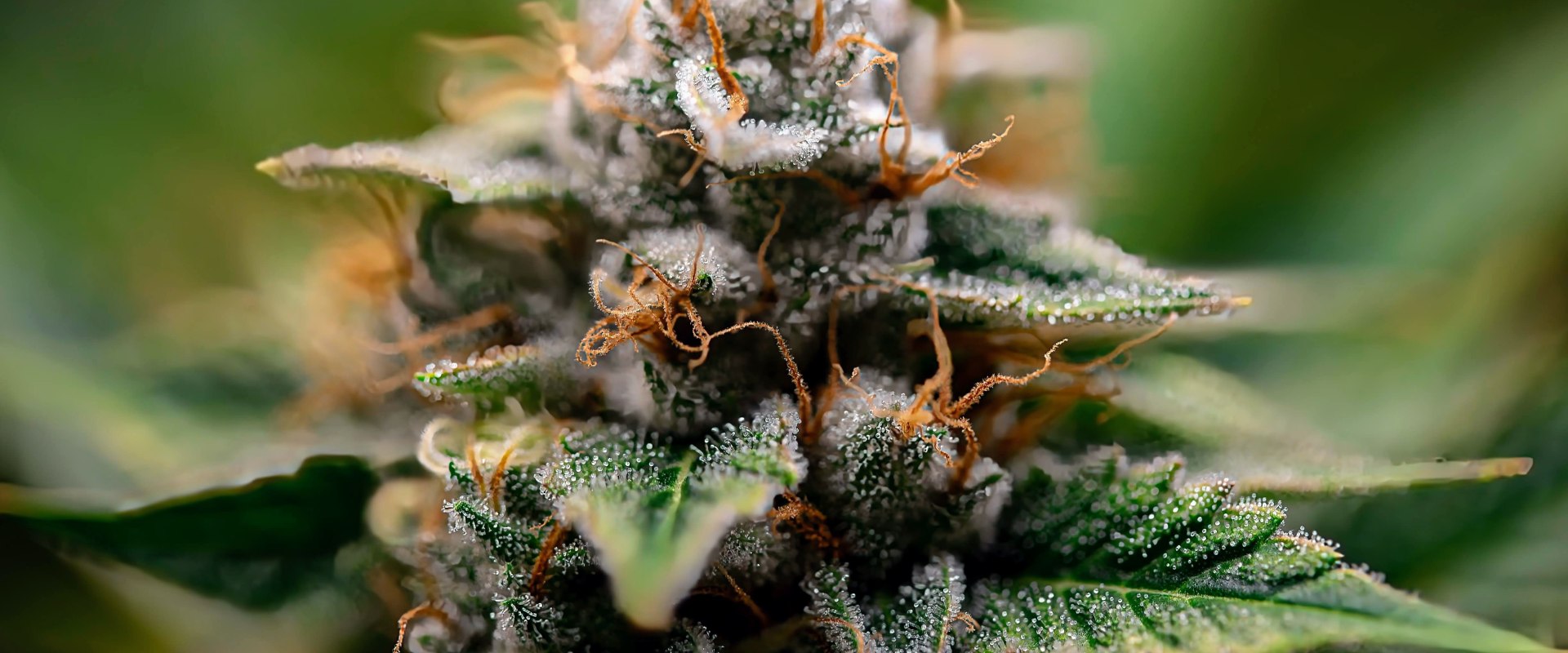
Exploring the Risks of Hemp Flower Use
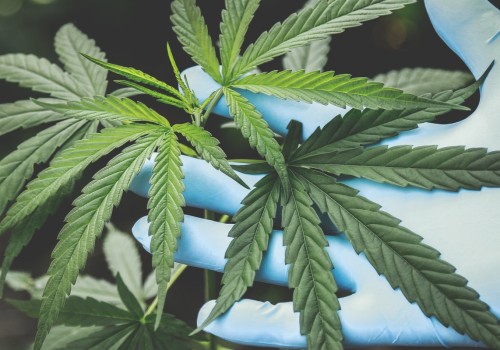
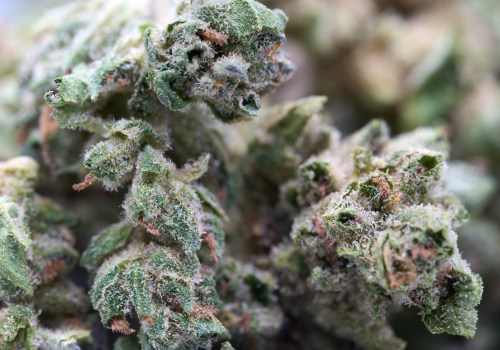
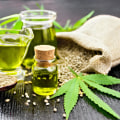
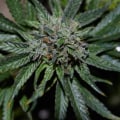
Hemp flower, derived from the Cannabis sativa plant, has become increasingly popular due to its non-psychoactive properties and potential health benefits. However, while often considered a safer alternative to marijuana, hemp flower is not without risks, particularly for individuals with a history of substance use disorder. It's crucial to understand these risks, especially when considering residential treatment options offered by facilities like Princeton Detox & Recovery Center in New Jersey.
Understanding Hemp Flower
Hemp flower contains CBD (cannabidiol), a compound praised for its therapeutic effects without the high associated with THC (tetrahydrocannabinol). Despite its benefits, the use of hemp flower can pose risks, particularly in terms of dependency or exacerbation of existing substance issues. Users may develop a psychological reliance, seeking to alleviate anxiety or discomfort without addressing the underlying issues.
Q: What are the potential risks of using hemp flower?
A: While hemp flower is non-psychoactive, it may lead to psychological dependence, especially in individuals with a history of substance use. It might also mask underlying mental health issues.
The Role of Residential Treatment in Recovery
For those grappling with substance use disorders, including those potentially exacerbated by hemp flower use, residential treatment can be a pivotal step toward recovery. At Princeton Detox & Recovery Center, individuals can access comprehensive residential treatment services tailored to address unique substance use concerns.
Benefits of Residential Treatment
Residential treatment in New Jersey provides a structured environment, enabling individuals to focus solely on their recovery journey. Key benefits include:
- 24/7 Support: Continuous care and support from trained professionals.
- Therapeutic Environment: A safe space away from triggers and stressors.
- Comprehensive Care: Integration of medical, psychological, and holistic approaches.
Why Choose Residential Treatment in New Jersey?
Choosing a local facility like Princeton Detox & Recovery Center offers several advantages. Being close to home means maintaining vital support systems while benefiting from expert care. Moreover, the serene setting of New Jersey provides an ideal backdrop for healing and recovery.
Actionable Steps for Those Considering Treatment
Recognizing the need for treatment is the first step. If you or a loved one are struggling with substance use issues potentially linked to hemp flower or other substances, consider reaching out to a professional treatment center. Here’s how you can begin:
- Research Options: Look for accredited facilities with personalized treatment plans.
- Consult with Experts: Speak with healthcare professionals to discuss potential treatment paths.
- Evaluate Support Systems: Ensure you have a solid network of family and friends to support your journey.
Conclusion: Taking the Next Step in Recovery
Understanding the potential risks of hemp flower use is vital, especially for those with a history of substance use disorders. Residential treatment at facilities like Princeton Detox & Recovery Center offers a comprehensive approach to recovery, providing the necessary tools and support to overcome challenges. If you're considering residential treatment in New Jersey, contact Guardian Recovery - Princeton Detox & Recovery Center to learn more about their services and start your path to a healthier future.